
Elevate
your WWI heritage
Management
This online tool allows organizations managing World War I heritage to improve their management and foster stronger connections
An interactive tool designed to help WWI heritage managers optimize governance and transnational projects management through three steps:
- Self-Assessment: define your organizational profile.
- Tailored improvement advices: receive specific recommendations and valuable documents.
- Networking: access resources and contacts to build international partnerships.
Our governance model provides a flexible, strategic framework designed to help heritage sites thrive, regardless of their size or scope. By balancing Historical Significance, Tourism Management, and Institutional Solidity, the model helps organizations maximize their cultural value, diversify their visitor experience, and build a solid management structure. Whether you oversee a local landmark or a site of international importance, this model scales to meet your needs, helping you turn historical legacy into a catalyst for growth and global connection.
how it works
Answer the self assesment tests, consulting data and documentation and engaging internal collaboration
Receive feedback
Improve
Get personalized recommendations
Follow advices
Test your progress
Networking!
Build your professional network
how to use IT
The pillars

Historical
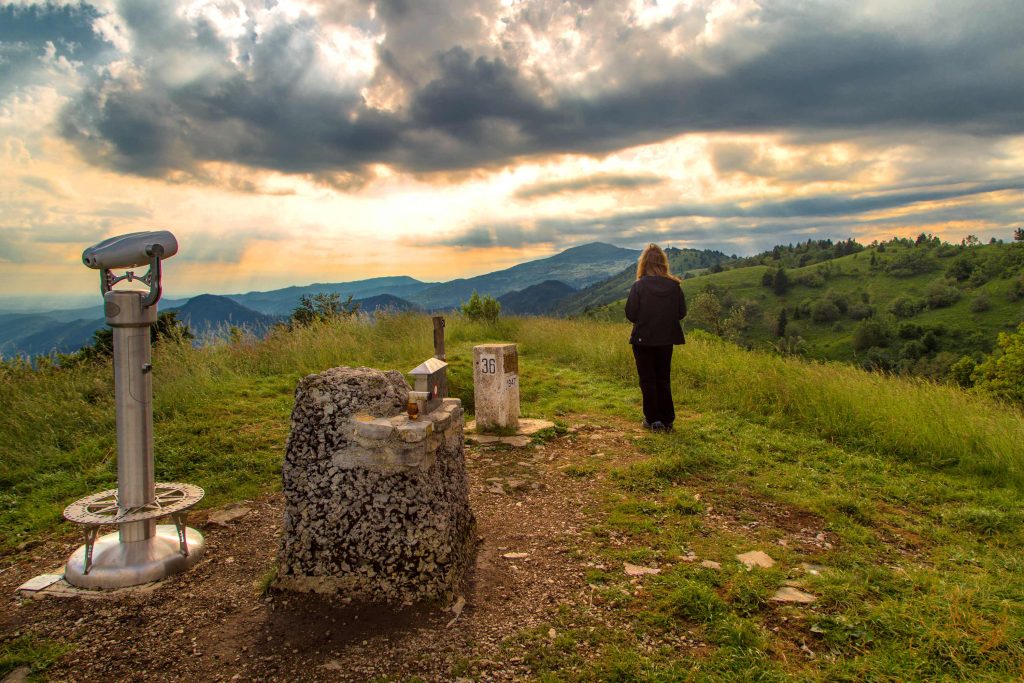
Historical relevance includes the intrinsic historical value of a site, how it is preserved and ordered, and its ability to shape collective memory.
Read more…
The GOV4PEACE project sees WWI heritage as a shared European memory, a tragedy that serves as a unifying call for peace. The historical and symbolic value of a site is paramount because the emotional impact and the knowledge it conveys are the primary drivers of its mission. Preserving and improving the heritage is the very base for making it understandable and to let the new generations understand what the WWI has been. We start from the assumption that the historical value of a site is dynamic: although the intrinsic historical importance of a site is immutable and linked to the events that have occurred, its historical value can be enhanced through targeted actions such as restoration or museum curation. A trench hidden in the woods has a different historical value than the same trench free from vegetation, accessible, studied by specialists and related to the historical events that occurred there. Improving historical relevance is a foundational element that reinforces every other aspect of the model.
Touristic
Tourism is a way for sustainable local economic development. While education or research generate value, their local economic impact is then effectively captured through the lens of tourism.
Read more…
Whether a visitor is a scholar, a student, a family or a pilgrim, their economic impact goes through the basic needs of eating, sleeping, and traveling, activities traditionally managed within the tourism sector. In this context, tourism importance becomes synonymous with the capacity for economic growth. The model simplifies complex income components into actionable areas of intervention. The model uses the Places-Stories-Bodies triad to ensure broad enjoyment and impact. In this system, a small museum can provide a vital interpretative framework for a region, just as an anonymous trench can connect abstract knowledge to the reality of the terrain. This approach ensures that heritage management leads to perceptible benefits for local communities, transforming historical assets into drivers of socio-economic well-being even for geographically peripheral areas.
Institutional
Institutional maturity encompasses, among other aspects, organizational capacity, long-term financial sustainability, and multilevel connections.
Read more…
It determines whether a site can manage its resources effectively and interact effectively with regional or transnational institutions and partners. Without institutional maturity, its historical value remains inaccessible and its tourism potential goes untapped; it is an essential asset that enables external collaboration.
AN ON-LINE TOOL for Heritage Activation
This governance model provides First World War heritage managers with a practical toolkit for growth and international collaboration. Through three integrated phases it enables sites of any scale to evaluate their position, strengthen their operations, and build transnational partnerships
The Model Behind
This governance model serves as a specialized toolkit for First World War heritage managers, designed to bridge the gap between local site management and international collaboration. It is essential to recognize that any model is, by definition, a simplified representation of reality. It is not designed to provide direct, universal answers, but rather to act as a navigational aid. It provides the necessary structure and guidelines for each organization to interpret its results and develop a strategy optimized for its specific institutional context.
Core Principles of the Model
The primary objective of the model is “activation,” which we define as a continuous journey of improvement. By offering a flexible growth path, the model allows managers of any scale—from remote local cemeteries to major international museums—to move from their current standing toward a higher level of maturity. This is achieved through a multi-dimensional approach that focuses on socio-economic development, particularly in peripheral areas, by turning historical legacy into a catalyst for sustainable tourism and regional promotion.

The Three-Phase Structure
The model is organized into three concatenated sections that lead the manager through a logical progression of growth.
It begins with an Analytical Phase (self-assessment), where managers evaluate their site across three core axes: Historical Relevance, Touristic Relevance, and Institutional Maturity. This allows for a clear identification of “Size Class” and specific areas of weakness.
The second stage is an implementation phase, a self-improvement path focused on site management. Here, the model provides practical aids, such as peer-produced documents and best practices.
Finally, the External Implementation Phase offers a roadmap for internationalization, providing the frameworks and strategic questions necessary to initiate transnational projects and collaborations.
The Path to Impact
Ultimately, the model provides the framework, but the organization provides the vision. By engaging with this tool, heritage managers gain consciousness of their performance, access practical resources for development, and follow a structured roadmap for building international relationships. This integrated path ensures that every site, regardless of its starting point, can contribute to a shared European network of peace and historical awareness.
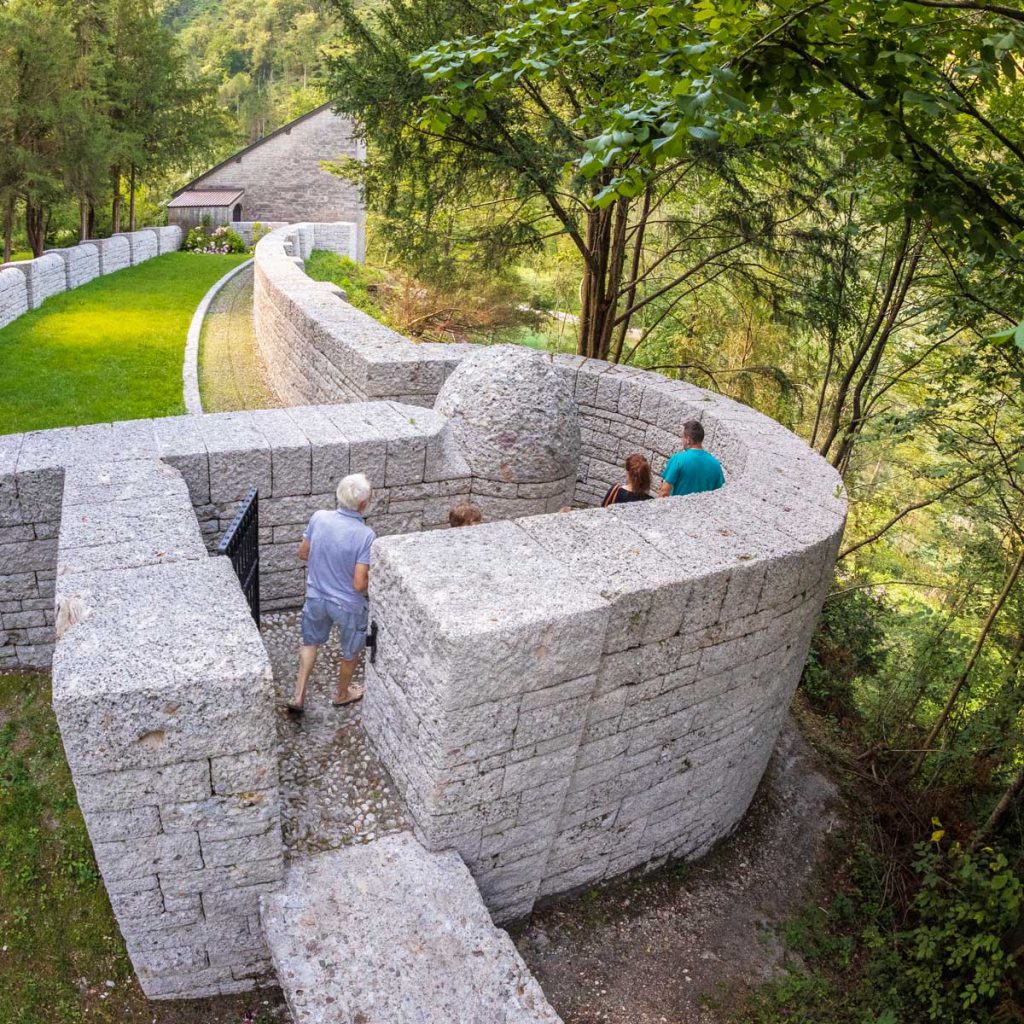
To get the best from the governance model for your organization, we recommend approaching the on-line tool as a strategic exercise
As the model is a tool for building your own strategy, the quality of the output depends on the depth and accuracy of the information you collect
REGISTER NOW!
Access the governance toolkit
Register to utilize the interactive governance tool and its associated resources.
Registration allows you to track your progress, save your evaluation results for future reference, and receive a comprehensive summary of your findings and recommendations directly via email
Partners




Model and Digital Tool by